The Art of Bamboo Weaving: History, Materials, Techniques, and Making Process of Timeless Products
Bamboo weaving is one of the oldest and most sustainable crafts in human history. This ancient art turns simple bamboo stalks into functional works of art, blending practicality with beauty.
The craft spans cultures worldwide, with Vietnamese artisans at the forefront of modern innovation. Today, traditional weaving techniques are used in lighting, furniture, and home décor design.
This comprehensive article explores bamboo weaving techniques and craftsmanship principles. You'll discover material selection, preparation methods, and traditional approaches that create lasting, beautiful products.
What is Bamboo Weaving?
Bamboo weaving is the art of interlacing thin strips of bamboo to form various shapes. Bamboo is an ideal material for this craft due to its combination of strength and flexibility. To begin, craftsmen split raw bamboo stems into smooth, bendable strips.
In everyday life, bamboo weaving is a popular design choice for both practical and decorative items. Its eco-friendly nature and natural aesthetic make it a favorite among many.
The History of Bamboo Weaving
Bamboo weaving is an ancient craft, with roots stretching back over 7,000 years. It originated in Asia, particularly in China, Japan, and Vietnam, where bamboo is plentiful.
In Vietnam, bamboo represents strength and resilience, symbolized by the legend of Saint Giong using bamboo to defend against invaders. Archaeological findings, such as pottery with bamboo patterns from the Da But culture, show its ancient roots.
Initially, bamboo weaving began as a practical craft for making farming tools, baskets, and weapons. Over time, it evolved into a respected tradition, with specialized "craft villages" where families passed down unique weaving techniques through generations. What was once a necessity gradually transformed into an art form, with bamboo now crafted into intricate, celebrated works enjoyed worldwide.
 The History of Bamboo Weaving
Basic Bamboo Weaving Terminologies
Here are 24 key terminologies used in bamboo craftsmanship, distinguishing between the anatomy of the plant and the specific methods used to create structure:
Common Types of Bamboo Used in Weaving
Different bamboo species have unique characteristics that make them suitable for specific weaving projects. Knowing these varieties will help you choose the right material for your needs.
Here’s a comparison of 6 popular bamboo types and their common weaving applications:


Common Types of Bamboo Weaving Techniques
The technique chosen often dictates the object’s strength, flexibility, and aesthetic appeal. These techniques are categorized into:
-
1. Basic Techniques: Simple weaves like the over-under pattern, used for functional items like baskets or mats.
-
2. Advanced Techniques: Intricate patterns such as diamond or lattice weaves, adding complexity and visual appeal.
-
3. Combining Techniques: Blending basic and advanced methods, or adding coiling, creates unique, durable designs with more detail and creativity.
6 Basic Bamboo Weaving Techniques
Bamboo weaving relies on 6 basic techniques to create different patterns. Mastering these fundamentals is essential before moving on to more advanced methods:


4 Advanced Bamboo Weaving Techniques
Master artisans use 4 advanced bamboo weaving techniques to create stunning, artistic effects. These methods require years of practice to perfect:


4 Types of Combining Multiple Bamboo Weaving Techniques
By integrating multiple weaving techniques into a single piece, artisans can maximize both structural stability and aesthetic complexity, creating objects that are distinct in both durability and design.
Here are 4 common combinations of bamboo weaving techniques:


How Are Bamboo Weaving Products Made?
Tools for Bamboo Weaving
Splitting and weaving bamboo is a job that calls for specific, super-sharp tools so you can work with precision and control. Basically, getting better tools means you'll be safer, and your work will turn out much more consistent:
-
1. Bamboo Splitter Tool (or "Hishaku"): A star-shaped metal wedge or plastic jig used to quickly and evenly divide a bamboo pole along its length.
-
2. Bamboo Knives (Takegaki): Specialized, thin, and extremely sharp knives (often Japanese or Taiwanese) used for stripping, de-skinning, and shaving the bamboo down to precise thicknesses.
-
3. Japanese Bamboo Saw (Nokogiri): A fine-toothed pull saw for making clean, precise cuts on the whole pole or for trimming finished pieces.
-
4. Crafting Gloves/Finger Guards: Essential for protecting the hands from sharp bamboo edges and tools during the stripping process.
-
5. Gauging Tools: Specialized jigs or adjustable blades used to ensure all the final weaving slivers have the exact same width and thickness.
Step-by-Step Process
Proper bamboo preparation involves 4 key steps that ensure successful weaving and product durability. These steps transform raw bamboo into materials ready for crafting.
The traditional process, refined over generations, includes the 4 steps below:
-
Step 1 – Select and Process Raw Bamboo: Choose mature bamboo (3-5 years old) for optimal strength and flexibility. Harvest during the dry season when the sap content is lowest. Remove branches, leaves, and any irregularities at the nodes using sharp tools to create clean, smooth surfaces.
-
Step 2 – Soak and Soften the Bamboo: Submerge the bamboo in water for 24-48 hours to make it more pliable and reduce the risk of splitting. This softening process relaxes the fibers, making it easier to bend and shape the bamboo without cracking, especially when creating tight curves or intricate patterns.
-
Step 3 – Cut and Prepare the Bamboo Fibers: Split the bamboo lengthwise into strips of the desired width using traditional tools. Sand the strips to smooth out any rough edges or splinters, ensuring consistent thickness. Sort the strips by width and quality to maintain even weaving patterns.
-
Step 4 – Weaving: Once the bamboo is prepared, the weaving begins. The strips are interlaced using traditional techniques to create the desired pattern and structure, whether for furniture, baskets, or lighting fixtures. Each step of the weaving process ensures the strength and beauty of the final piece.
 4 steps in the process of making bamboo weaving products
Popular Bamboo Weaving Products in Everyday Life
1. Kitchen & Dining (The Most Common)
Bamboo is naturally antibacterial, water-resistant, and heat-tolerant, making it a staple in kitchens worldwide:
-
Steamers (Dim Sum Baskets): Perhaps the most iconic everyday bamboo item. These stackable, round, woven baskets are used for steaming dumplings, vegetables, and buns. The weave allows steam to circulate while absorbing excess moisture, so food doesn't get soggy.
-
Serving Trays & Platters: Woven bamboo trays (often with a high rim) are used for serving tea, fruit, or bread. In many Asian cultures, large flat winnowing trays are used to dry spices, chilies, or rice in the sun.
-
Cutlery & Utensil Organizers: Tightly woven, compartmentalized baskets used in drawers to separate forks, spoons, and knives.
-
Food Covers: Dome-shaped woven covers (often netting-style) used to protect food on a table from flies and dust while allowing air to circulate.
2. Home Organization & Storage
-
Laundry Hampers: A popular sustainable alternative to plastic. Woven bamboo hampers are breathable, which prevents damp clothes from developing odors before washing.
-
Storage Baskets (Besek): In Indonesia and parts of Southeast Asia, small square woven boxes called besek are traditionally used for packaging food or gifts. In modern Western homes, similar lidded baskets are used for organizing bathroom toiletries or office supplies.
-
Wastebaskets: Open-weave cylindrical baskets are a common sight in offices and bedrooms due to their lightweight and airy aesthetic.
3. Furniture & Interior Decor
Modern interior design has embraced bamboo weaving for its "Japandi" (Japan + Scandi) and Boho aesthetics:
-
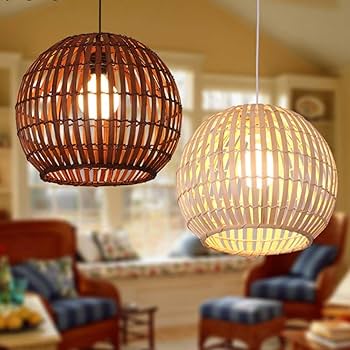
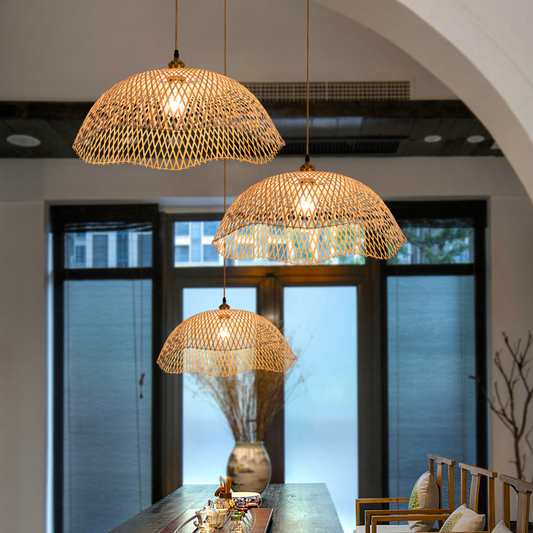
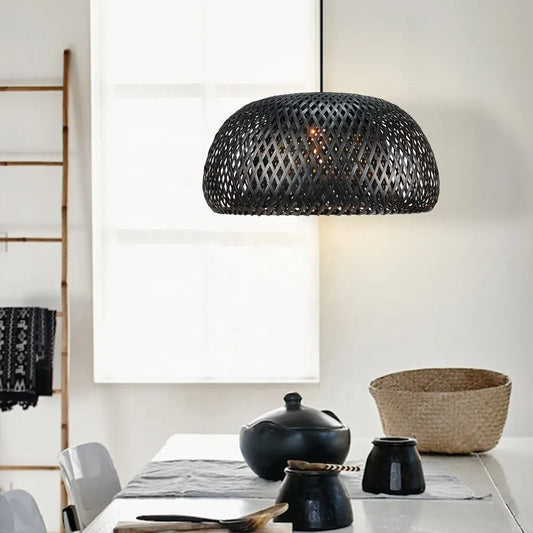
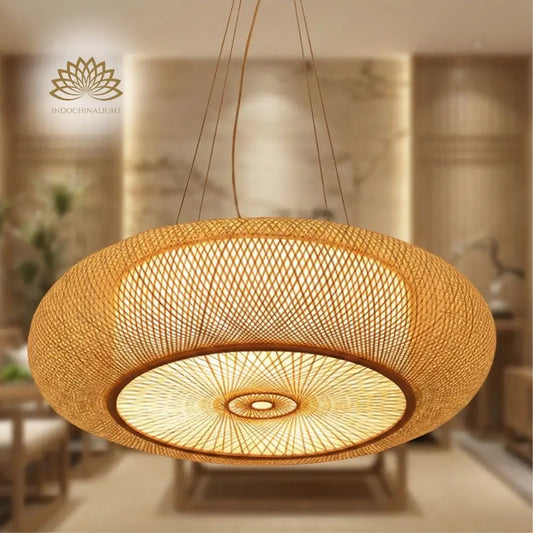
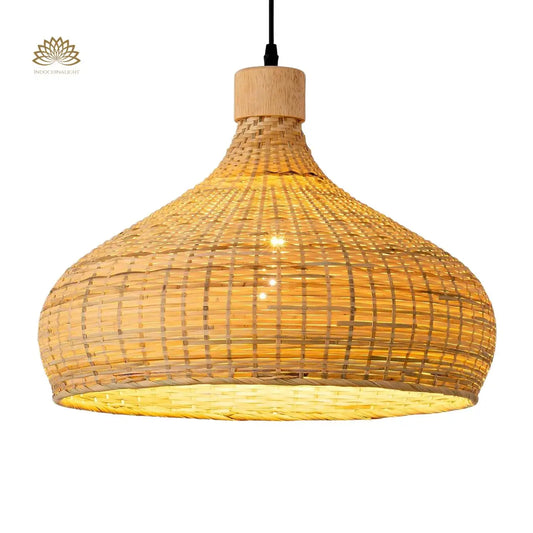
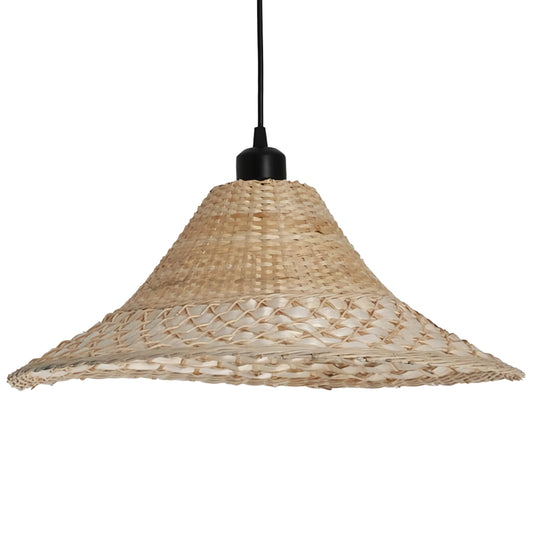
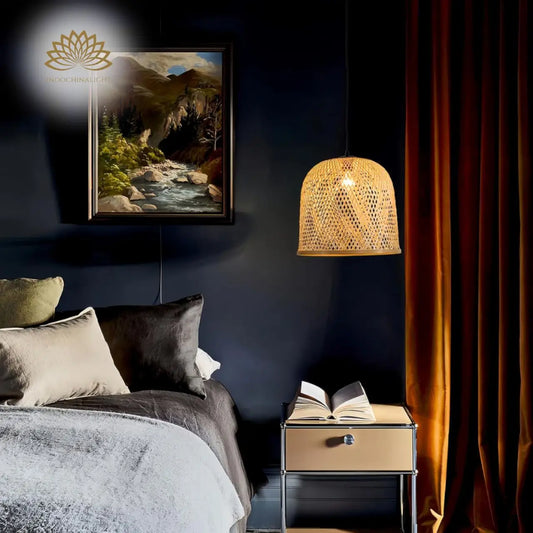
Pendant Light Shades: One of the biggest current trends. These are often woven in loose, airy patterns (like hexagonal or "fish-eye" weaves) that cast intricate shadows on the walls when the light is turned on.
-
Room Dividers & Screens: Large woven panels used to partition spaces in studio apartments. They provide privacy without completely blocking light or airflow.
-
Woven Mats (Tatami Covers/Summer Mats): In hot climates, thin woven bamboo mats are placed over mattresses or floors. The smooth, cool surface conducts heat away from the body, making them essential for sleeping during summer.
-
Papasan/Peacock Chairs: While often made of rattan, many incorporate bamboo weaving for the structural binding and decorative backing.
4. Construction & Architecture Elements
-
Sawali / Amakan Panels: In the Philippines, Sawali refers to woven split-bamboo mats used for walls in traditional Bahay Kubo homes. Today, these woven panels are popular worldwide as ceiling aesthetic treatments or garden fencing.
-
Garden Fencing: Rolled bamboo fencing is woven together with wire to create privacy screens for balconies and backyards.
5. Fashion & Accessories
-
Handbags & Clutches: Rigid woven bamboo "cage" bags (often half-moon shaped) became a major fashion trend recently. They are a revival of 1970s styles and are popular for summer/resort wear.
-
Conical Hats (Non La / Salakot): The traditional woven hat used across Vietnam, China, and the Philippines. While historic, they remain an everyday essential for farmers and street vendors to protect against sun and rain.
-
Fans: Handheld woven fans are common personal accessories in tropical climates for cooling down on the go.
How to Preserve and Maintain Bamboo Products?
Proper care ensures bamboo products last longer while preserving their natural beauty. Follow these 7 simple maintenance tips to protect them from environmental damage and maintain their strength and appearance:
-
Regular Cleaning: Dust bamboo weekly with a soft, dry cloth to prevent buildup in woven patterns and maintain its natural shine.
Read more: How to clean bamboo products?
-
2. Proper Drying: After cleaning, let the bamboo air-dry completely. Avoid using artificial heat, which can cause cracking or warping.
-
3. Control Moisture Levels: Keep indoor humidity between 40-60% to prevent bamboo from expanding, contracting, or developing mold in damp conditions.
-
4. Limit Direct Sunlight: Avoid placing bamboo in direct sunlight to prevent fading, brittleness, and premature aging of the fibers.
-
5. Pest Prevention: Regularly inspect bamboo for insects. Use natural repellents like neem oil to protect against bamboo beetles and termites.
-
6. Restoration and Refinishing: Apply natural bamboo oil annually to restore moisture and protect against environmental wear and tear.
-
7. Safe Storage: Store bamboo in a dry, ventilated area away from extreme temperatures to prevent warping, splitting, and deterioration.
Frequently Asked Questions about Bamboo Weaving
How should bamboo weaving products be cleaned?
Use a dry brush or cloth to remove dust. Avoid soaking in water. If rinsed, dry the product immediately to prevent swelling or mold growth, which can damage the bamboo.
Can bamboo weaving products withstand outdoor use?
Bamboo weaving products are durable but should be protected from moisture and direct sunlight to avoid cracking and discoloration. Applying a protective coating can help extend their lifespan.
Read more: Is bamboo waterproof?
How to repair damaged bamboo weaving products?
Small breaks can be repaired by reweaving loose strips or using wood glue. For more significant damage, it's best to consult a craftsman for professional restoration.
Are bamboo weaving products suitable for heavy loads?
Bamboo products like stools and baskets can carry moderate weights, depending on the tightness of the weave and the quality of the bamboo. Denser weaving and solid bamboo increase load capacity.
Conclusion
This article covers bamboo weaving techniques, modern uses, and maintenance tips. You’re now equipped to appreciate handcrafted bamboo products and make informed choices for sustainable home lighting.
IndochinaLight blends centuries-old Vietnamese craftsmanship with modern design to create bamboo pendant lights. Our artisans preserve traditional weaving techniques while adapting them for contemporary interiors, promoting sustainability and cultural heritage.
IndochinaLight - IndochinaHomeDecor LLC
-
Address: 30 N Gould St Ste. N, Sheridan, WY 82801
-
Phone: (+)1 307 249 0594
-
Email: service@indochinalight.com


 Buy now