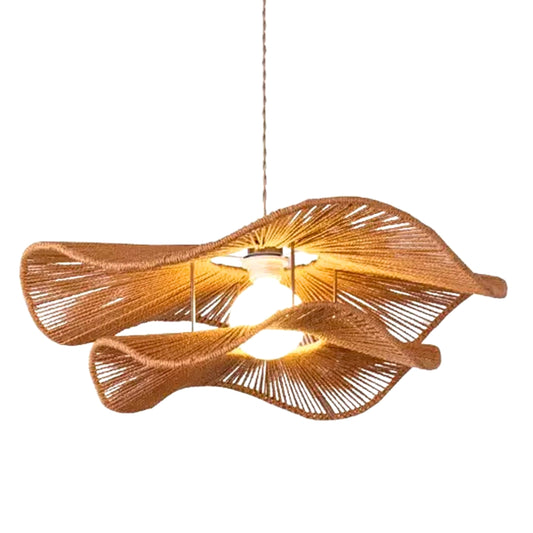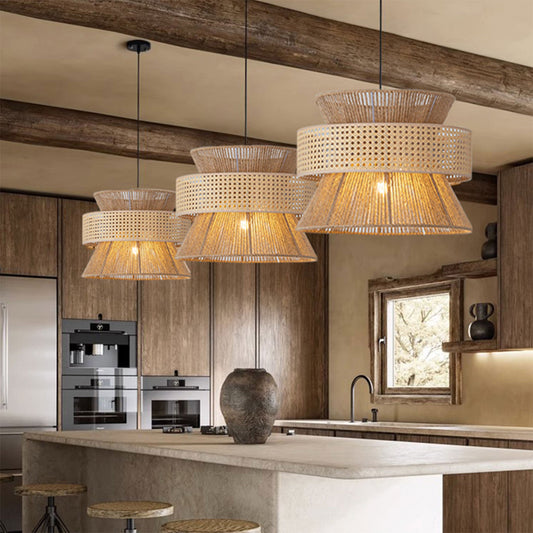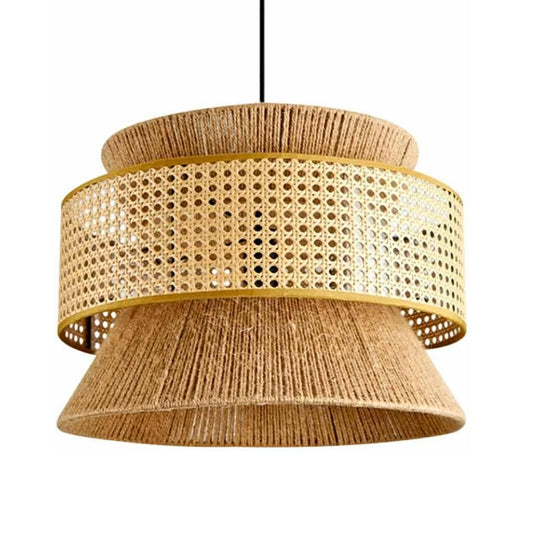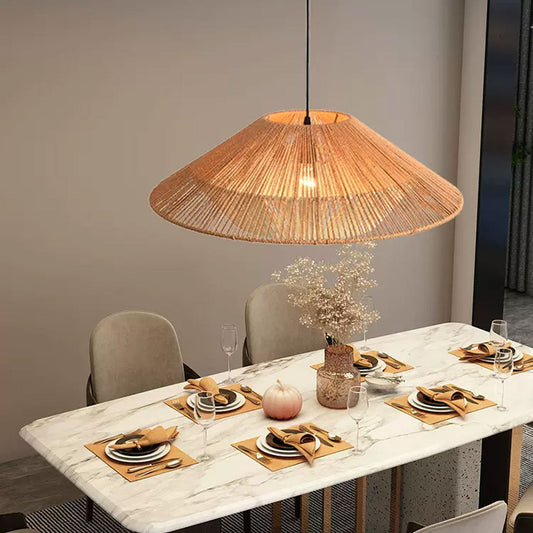
Hemp rope is an eco-friendly cord made from the fibers of the industrial hemp plant. It’s sustainably produced from fast-growing crops that mature in just 70-120 days. Hemp rope finds modern applications from home DIY projects to heavy-duty gym gear.
But what exactly is hemp rope, and how do those tall, green plants actually turn into heavy-duty cordage? It’s a fascinating mix of old-school craftsmanship and modern sustainability.
In this article, we start by learning what hemp rope is and walk through the step-by-step process of growing, harvesting, and twisting it into cord. We also look at the benefits of hemp rope and how it compares to other materials to help you pick the right one for your needs.
What Is Hemp Rope?
Hemp rope is a strong, biodegradable cordage made from the natural bast fibers of the industrial hemp plant (Cannabis sativa), which are twisted or braided together through harvesting, retting, scutching, and degumming processes for applications in sailing, climbing, construction, agriculture, and decorative crafts.
It is valued for its exceptional tensile strength of 3,500-5,000 PSI, natural resistance to mold, mildew, and UV degradation, and sustainable production from fast-growing hemp plants that mature in 70-120 days, require minimal pesticides, and improve soil health through nitrogen fixation.
 Hemp rope made from the natural bast fibers
What Are The Features of Hemp Rope?
Hemp rope has 6 key features that make it superior to cotton, jute, and synthetic alternatives in industrial, marine, and decorative uses:
-
1. Strength and Durability: Exceptional tensile strength (20,000–57,000 psi) supports heavy loads without breaking.
-
2. Mold and Mildew Resistance: Natural antimicrobial compounds prevent mold and mildew, extending the rope's lifespan in damp conditions.
-
3. UV Resistance: Resists UV degradation, maintaining strength and appearance under sun exposure.
-
4. Eco-friendly: Requires minimal water, no pesticides, and grows rapidly, making it a sustainable choice.
-
5. Breathability and Absorbency: Allows moisture to pass through, preventing water buildup and deterioration, ideal for wet environments.
-
6. Antimicrobial Properties: Protects against bacteria, fungi, and mold, ensuring hygiene and long-lasting quality.
 6 main features of hemp rope
How is Hemp Rope made?
The process of creating hemp rope involves 5 steps that transform raw hemp stalks into durable, eco-friendly cordage:
Step 1: Harvesting & Retting Hemp Plants
The process begins when farmers cut mature hemp stalks and leave them to dry in the fields.
After drying, the stalks undergo retting, a controlled decomposition process that uses water or dew to break down the pectin (a sticky substance that binds the fibers to the woody core).
Retting is essential for separating the fibers cleanly, preparing them for the next stage.
 Harvesting & Retting hemp process by the farmers
Step 2: Cleaning Plant Matter
Once the retting is complete, the next step is scutching, which involves beating the stalks to remove any remaining non-fibrous material.
Afterward, the fibers are degummed, eliminating any plant matter left behind.
This results in long, clean hemp fibers, free of impurities and ready for spinning.
 Hemp rope after plant matter cleaning
Step 3: Spinning Yarns
The clean fibers are then fed through spinning machines (or spun by hand) to create thin, consistent yarns.
The spinning process is crucial because it determines the texture and uniformity of the rope, influencing its overall strength and durability.
 Hemp fiber spinning machine
Step 4: Twisting Cords
The yarns are twisted together under controlled tension to form thicker cords.
The direction and tightness of the twist play a key role in the rope’s flexibility, strength, and resistance to wear. The more precise the twist, the better the rope’s performance.
 Twisting Structure of the hemp rope cords
Step 5: Rope Forming
In the final stage, multiple twisted cords are secured at one end and then twisted together at the other end using a forming machine. Results in a finished hemp rope that is strong, durable, and ready for use in a variety of applications.
Through these carefully controlled steps, hemp rope is produced to be both functional and environmentally sustainable, making it a reliable choice for many industries.
 Completed roll of hemp rope
What Are The Benefits of Hemp Rope?
Hemp rope offers 4 key benefits. These qualities make it an excellent choice across various applications and industries.
-
1. Affordability: Costs 30–50% less than synthetic ropes with similar strength, making it an economical choice.
-
2. Durability and Longevity: Lasts 3–5 years outdoors with proper care, reducing replacement needs and offering great value.
-
3. Eco-friendly: Biodegrades naturally within months, unlike synthetic ropes, and is non-toxic.
-
4. Mold and UV Resistance: Resists mold, mildew, and UV radiation, extending its lifespan in outdoor and maritime environments.
 4 key benefits of hemp rope
What Are the Modern Applications of Hemp Rope?
Hemp rope is used in 5 key applications, combining traditional strength with modern needs for sustainability:
-
1. Marine and Sailing: Valued for its UV resistance, mold resistance, and natural grip, hemp rope is commonly used for rigging and dock lines.
-
2. Climbing: Known for its superior strength and grip, hemp rope is used in climbing sports and military training, reducing slippage compared to synthetics.
-
3. Home Décor: Popular in macrame, rugs, and wall hangings, hemp rope adds rustic aesthetics and texture to bohemian and rustic interior designs.
-
4. Pet Toys: Hemp rope is used for durable, safe chewing toys, offering antimicrobial properties and being digestible if ingested in small amounts.
-
5. Gym Equipment: Used for battle ropes and climbing in fitness centers, hemp rope provides durability, natural grip, and wear resistance in high-intensity workouts.
 Hemp rope in 5 modern applications
What Sets Hemp Ropes Apart from Other Fiber Ropes?
Understanding how hemp rope stacks up against other materials helps you make the best choice for your specific needs and applications. We'll compare hemp rope with four common fiber types to highlight its unique advantages and potential limitations:
- Hemp Ropes vs Cotton Ropes
- Hemp Ropes vs Silk Ropes
- Hemp Ropes vs Jute Ropes
- Hemp Ropes vs Synthetic Ropes
Let's explore each comparison to help you understand which rope type works best for your projects.
 Comparison between hemp rope with 4 other materials for rope
Hemp Ropes vs Cotton Ropes
Hemp Ropes are Stronger and More Durable Than Cotton Ropes:
- Hemp is significantly stronger. Hemp fibers have roughly eight times the tensile strength of cotton, making them the better choice for heavy-duty tasks like boating, climbing, or securing heavy cargo.
- Cotton is for light-duty use. While it works well for simple tasks, it cannot handle the same high-pressure or high-load environments that hemp can.
Hemp Ropes are More Eco-Friendly:
- Hemp is the more sustainable crop. It uses 50% less water than cotton, requires no pesticides or herbicides, and actually improves soil quality as it grows.
- Cotton is resource-intensive. It is a water-heavy crop that accounts for 16% of global pesticide use, making it much tougher on the environment.
Cotton Ropes are Softer but Less Durable:
- Cotton is softer to the touch. Its smooth, gentle texture makes it ideal for clothing, decorative items, or any application where the rope frequently brushes against the skin.
- Hemp is more rugged. While it is more durable, it lacks the immediate softness of cotton and is built more for performance than for delicate handling.
Hemp Ropes are More UV Resistant:
- Hemp handles sunlight and moisture better. It is naturally resistant to UV damage and maintains its integrity even after long-term exposure to the elements.
- Cotton degrades quickly outdoors. Exposure to sun and rain causes cotton to rot and lose up to 50% of its strength, making it unsuitable for long-term outdoor use.
 Hemp rope compared to cotton rope
Hemp Ropes vs Silk Ropes
Silk Ropes are Stronger and More Durable:
- Silk has higher initial strength but is very fragile. Its smooth fibers are prone to fraying, cutting, and abrasion, making it poor for rugged or heavy-duty use.
- Hemp is built for wear and tear. While it may have lower raw tensile strength than silk, it is far more resistant to friction and physical damage.
Hemp Ropes are More Environmentally Resilient:
- Hemp handles the outdoors easily. It naturally resists UV rays, mold, and mildew, allowing it to maintain its integrity in various weather conditions.
- Silk degrades quickly in the elements. Exposure to direct sunlight and high humidity causes silk to weaken and deteriorate rapidly, requiring high maintenance.
Silk Ropes Are Better for Lightweight, Aesthetic Uses:
- Silk is lightweight and decorative. Its luxurious appearance and fine texture make it the go-to choice for arts, high-end decor, or applications where visual appeal is the priority.
- Hemp is a functional workhorse. It is heavier and more utilitarian, suited for practical tasks where performance matters more than a "luxury" look.
Hemp Ropes are More Affordable:
- Hemp is significantly more affordable. It provides reliable strength and durability at a fraction of the cost.
- Silk is a premium luxury material. Silk rope can cost 10 to 20 times more than hemp of the same size, making it a major investment.
 Hemp rope compared to silk rope
Hemp Ropes vs Jute Ropes
Hemp Ropes are Stronger Than Jute Ropes:
- Hemp ropes are significantly stronger. It has a higher tensile strength and can handle about 30% more weight than jute ropes of the same diameter.
- Jute is more fragile. It is prone to breaking under heavy stress, making it unsuitable for safety-critical or heavy-lifting tasks.
Hemp Ropes is Softer and More Comfortable:
- Hemp is smoother and softer. Because hemp fibers are less abrasive, they're comfortable to handle with bare hands and won't irritate the skin.
- Jute has a coarse, rough texture. Its fibers are prickly and can cause rope burn or skin irritation during prolonged use.
Jute Ropes are More Affordable:
- Jute is the budget-friendly option. It typically costs 20-30% less than hemp, making it a popular choice for basic packaging or temporary decorative projects.
- Hemp is a better long-term investment. While the upfront cost is higher, its superior durability and longer lifespan often make it more cost-effective over time.
Hemp Ropes are More Eco-Friendly:
- Hemp is the more sustainable choice. It produces two to three times more natural fibers per acre than jute and requires no pesticides and very little water.
- Jute cultivation is more chemical-heavy. It often relies on intensive pesticide use, which can be tougher on local ecosystems compared to the natural resilience of hemp.
 Hemp rope compared to jute rope
Hemp Ropes vs Synthetic Ropes
Synthetic Ropes are More Resistant to Water and Chemicals, and Hemp Ropes are More Eco-friendly:
- Synthetic ropes (polypropylene, nylon) are superior in wet or chemically harsh conditions. They do not absorb water, resist rot, and maintain their strength underwater.
- Hemp ropes are the eco-friendly choice. They are biodegradable, renewable, and carbon-negative, whereas synthetic ropes are petroleum-based and create long-lasting plastic waste.
Hemp Ropes are Stronger than Synthetic Ropes:
- Hemp generally offers higher tensile strength and minimal stretch. This makes it ideal for tasks requiring precision and stability, such as securing cargo.
- Synthetic ropes are more elastic. While this stretch is useful in some cases, it lacks the dimensional stability found in hemp.
Synthetic Ropes are Less Durable in the Long Run:
- Hemp is naturally resistant to UV rays, making it more durable for long-term outdoor use in the sun.
- Synthetic materials often become brittle and lose strength when exposed to sunlight unless they are treated with expensive UV-resistant coatings.
 Hemp rope compared to synthetic rope
Frequently Asked Questions about Hemp Rope
What are the disadvantages of hemp rope?
The main disadvantage is its vulnerability to moisture, which causes the organic fibers to absorb water, leading to rot, mildew, shrinkage, and potential fungal or bacterial growth.
What is hemp rope used for?
Hemp rope is used for a range of purposes that require strength, including climbing, rope swings, and shipping, and it can also be blended with other materials to create stronger, more resistant ropes.
Does hemp rope contain CBD?
No, finished hemp rope does not contain CBD; however, the hemp plant itself typically has higher concentrations of cannabidiol (CBD) and lower concentrations of total THC.
What happens when hemp rope gets wet?
When hemp rope gets wet with fresh water, it can mold and mildew, which weakens the strength of the rope.
How long does hemp rope last?
With regular use, a natural fiber hemp rope typically lasts anywhere from six months to a few years, depending on the specific conditions it's used in and how well it's maintained.
Is hemp rope digestible?
Yes, hemp fibers are perfectly safe and digestible.
Does hemp rope burn easily?
Yes, pure hemp twine burns easily because it is very dry, which is why beeswax is often added to control the burning rate and make it burn at a slow and steady pace.
Conclusion
Hemp rope represents the perfect blend of tradition, functionality, and sustainability. Beyond its technical advantages, hemp rope embodies a conscious shift toward eco-friendly living – a return to materials that respect nature while enhancing everyday design.
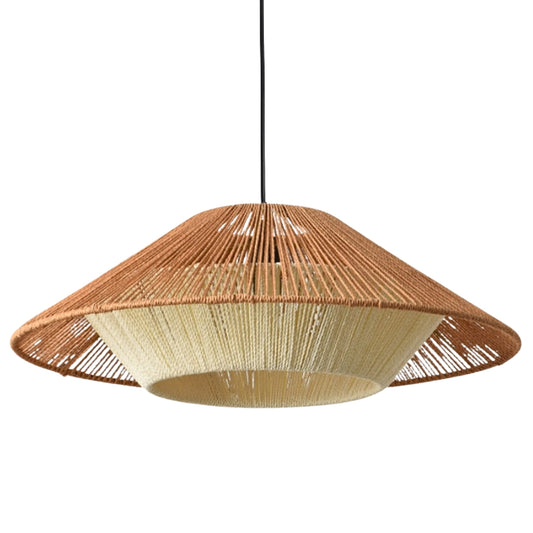
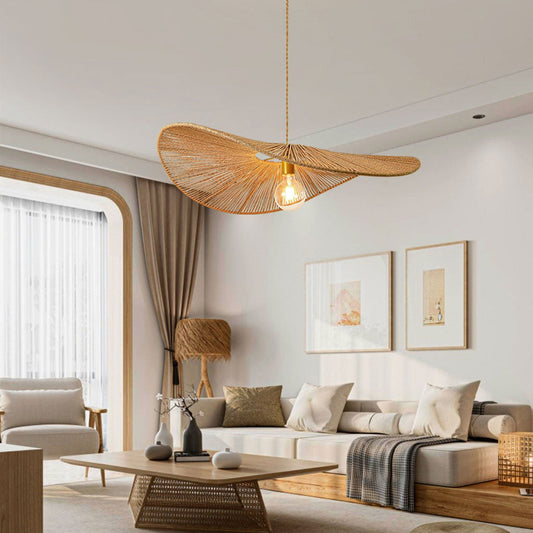
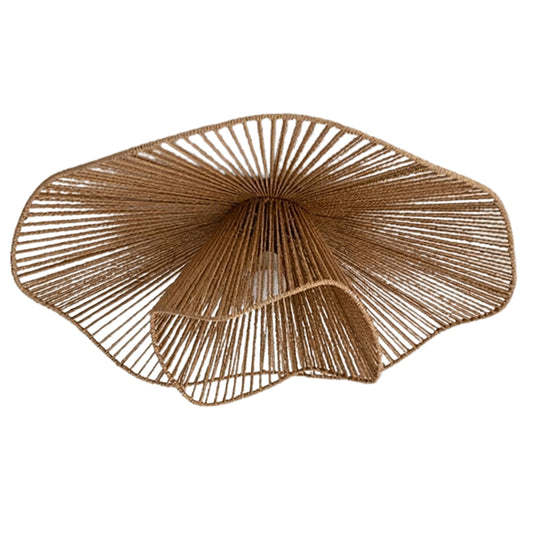
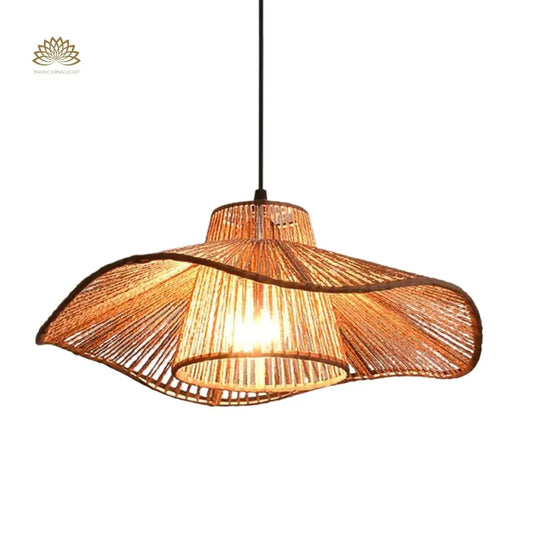
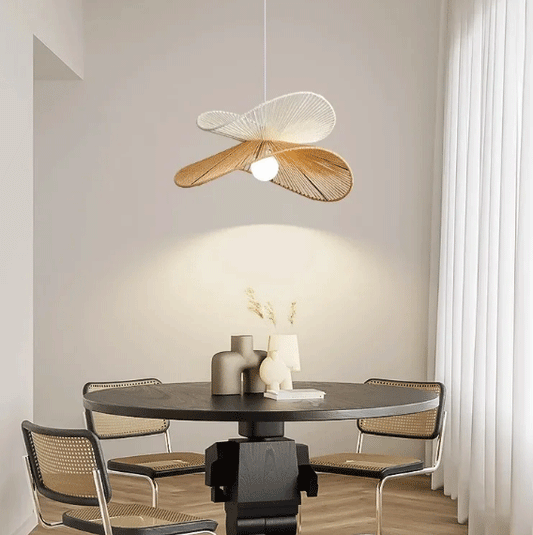
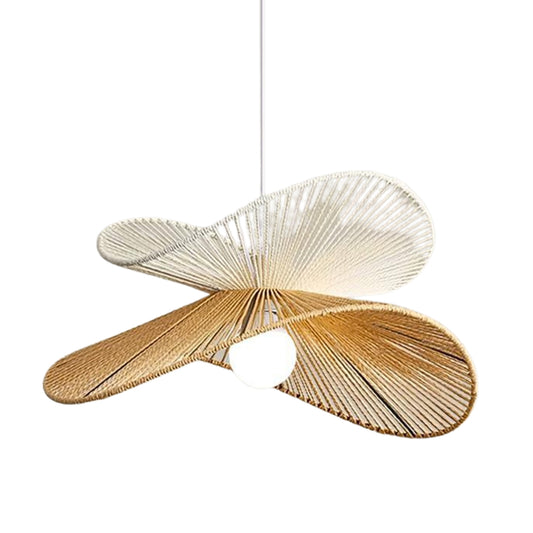
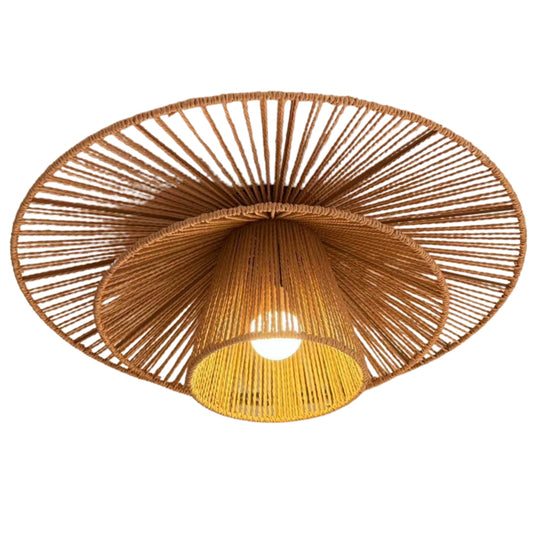
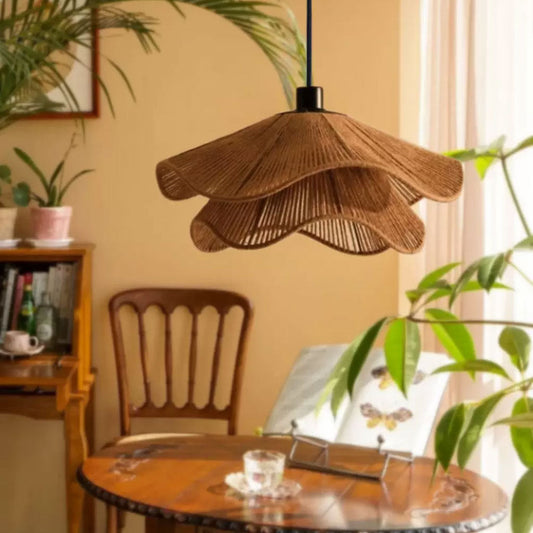
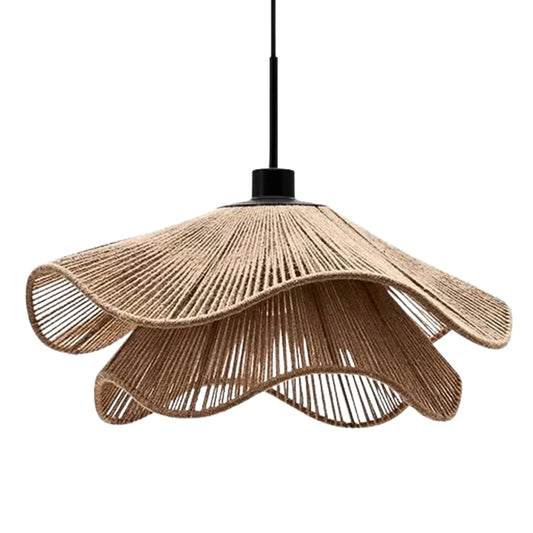
Illuminate your space naturally with Indochina Light’s handcrafted hemp rope lighting, carefully woven by skilled Vietnamese artisans. Each piece reflects sustainable craftsmanship, earthy beauty, and the timeless spirit of hemp, bringing warmth to any space in your home.
IndochinaLight - IndochinaHomeDecor LLC
-
Address: 30 N Gould St Ste. N, Sheridan, WY 82801
-
Phone: (+)1 307 249 0594
-
Email: service@indochinalight.com

 Buy now