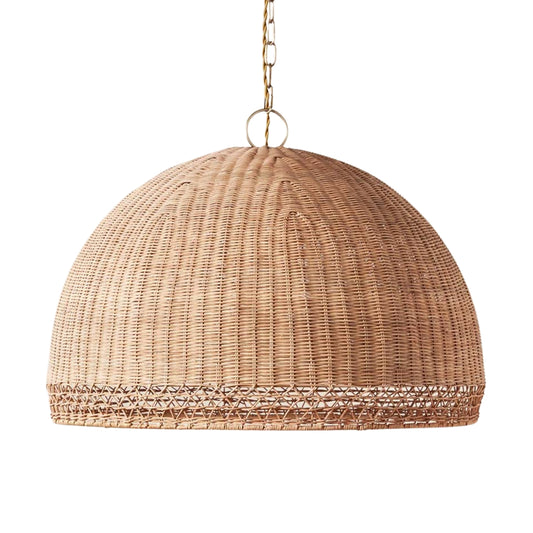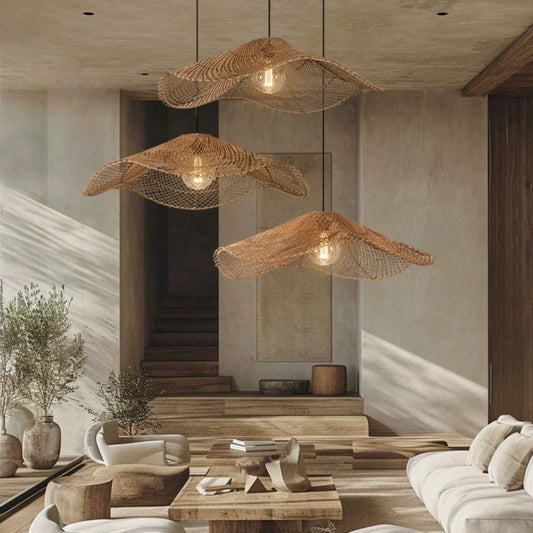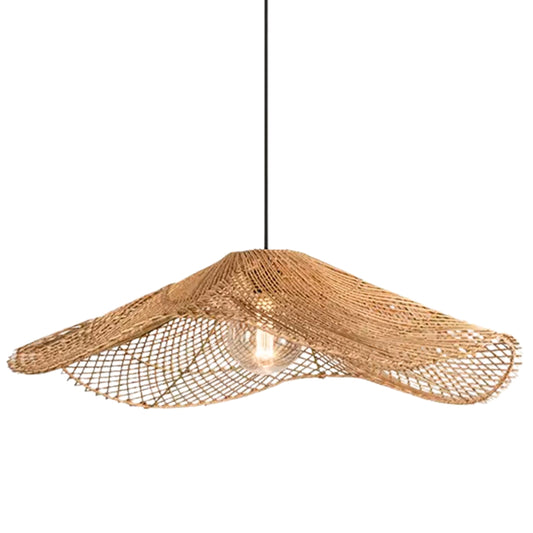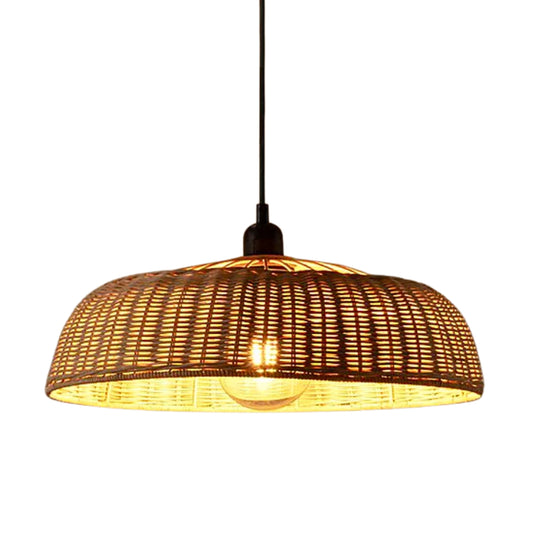
Rattan is a versatile, natural material that has shaped interior design for centuries. Known for its incredible strength-to-weight ratio and ability to be steam-bent into elegant curves, this sustainable vine has become a staple in high-quality furniture making.
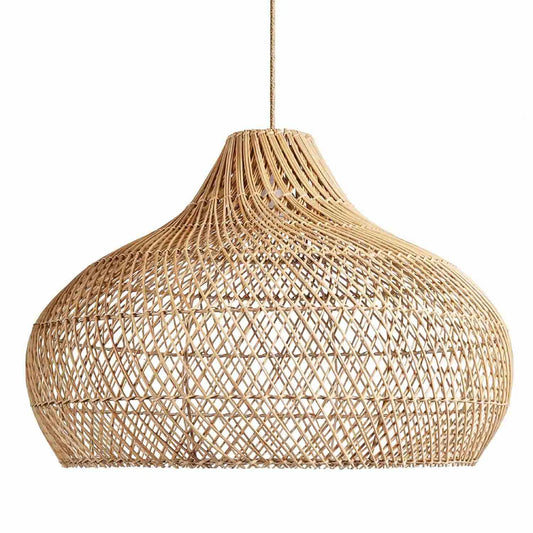
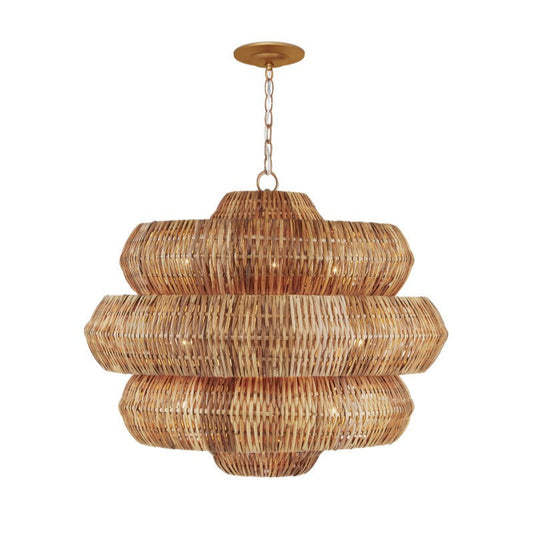
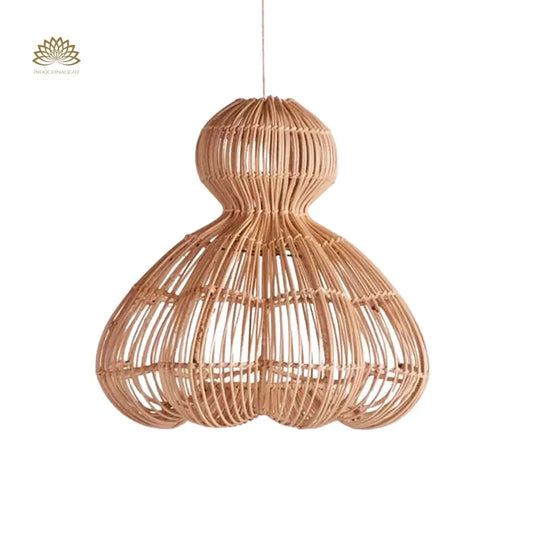
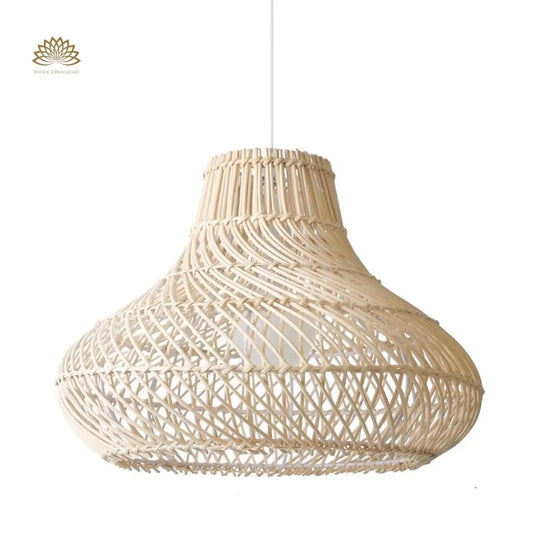
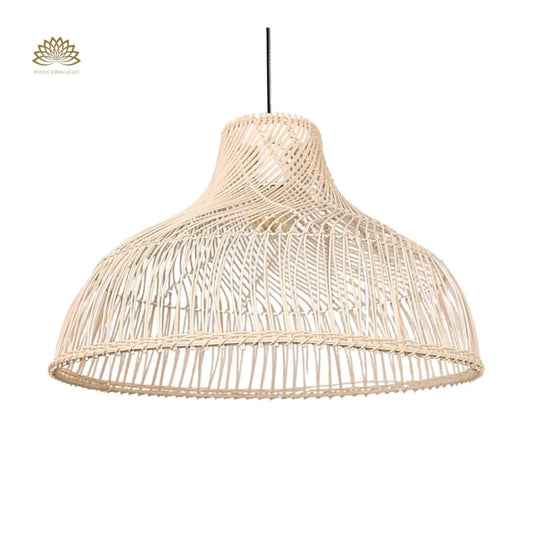
While there are approximately 40 varieties of rattan used in furniture, since 2019, IndochinaLight has primarily used Tohiti and Manau rattan (the strongest pieces) to shape over 150 rattan pendant light designs, accounting for 60% of our total lighting collection.
Let's delve into the origins and unique attributes of rattan!
What is Rattan?
Rattan is a solid timber vine belonging to the Calamus genus within the palm family. Unlike hollow bamboo, it features a dense, fibrous core that provides both strength and flexibility. Native to Southeast Asian rainforests, there are over 600 species of these climbers, some reaching lengths of up to 100 meters by hooking onto taller trees.
The rattan’s dimensions vary significantly, with stem diameters ranging from 2 millimeters for fine weaving to over 5 centimeters for sturdy furniture frames. Its unique internal structure allows it to be steam-bent into complex shapes that retain their durability and structural integrity once cooled.
As a renewable resource, rattan has a fast harvest cycle of only 5 to 7 years. Because it requires established trees to climb, its cultivation supports rainforest preservation, making it an ecologically sound alternative to traditional hardwoods.
 Rattan Plant in a Tropical Forest and Its Fibers after Processing
Attributes of Rattan
Rattan is among the most remarkable natural materials, prized as an eco-friendly resource that grows much faster than tropical hardwoods. Unlike solid timber, rattan can be steamed and bent into intricate, ergonomic shapes without snapping, making it a staple for high-end furniture and artisanal basketry.
Beyond its flexibility, rattan is incredibly durable and lightweight. Also, it offers a timeless organic beauty, with natural golden tones that radiate warmth. While more resilient to humidity and less prone to warping than wood, it is not fully waterproof and can develop mold if soaked.
Additionally, prolonged exposure to high heat or direct sunlight may cause fibers to become brittle. However, modern protective coatings and oil treatments now effectively repel insects and preserve its supple texture, ensuring these sustainable pieces maintain their elegance.
Understanding the nature of organic materials, every rattan fixture at IndochinaLight is designed with a premium layer of anti-insect lacquer and termite-resistant oil to preserve its beauty for years to come.
 Key attributes of rattan
Rattan is not Wicker
Rattan refers to the natural forest material, whereas Wicker is the weaving technique. Simply put, one is the physical material, while the other is the artisanal craft.
Crucially, rattan is just one fiber choice that can be woven into wicker. The wicker process can also use synthetic resins, willow, or paper, offering a range of durability and styles beyond organic textures.
 Rattan and Wicker are not the same
Rattan is not Bamboo
Though Rattan and Bamboo look alike, rattan is solid while Bamboo is hollow. This core difference fundamentally dictates their durability and structural application in furniture design.
Rattan’s solid fibers allow it to be steamed and bent into elegant, permanent curves. Conversely, rigid bamboo remains straight, typically resulting in furniture pieces joined at sharp, angular points rather than fluid loops.
 Rattan and Bamboo are not the same
Practical Uses of Rattan in Furniture
Rattan is a highly versatile material in modern furniture design. Its unique combination of flexibility and strength allows for diverse applications, ranging from structural frames to intricate decorative weaving.
Here are some of the most popular applications of rattan in furniture:
Rattan Chair
Rattan provides the structural frames and the woven surfaces for chairs. Manufacturers bend thick poles to create ergonomic frames that support weight effectively while remaining lightweight.
The rattan fibers are also used to weave seats and backrests. These intricate patterns ensure physical comfort and airflow, making the furniture suitable for various interior designs.
 Rattan chairs offer a perfect blend of aesthetic appeal and sustainability
Rattan Basket / Rattan Tray
Woven rattan baskets and trays feature diverse shapes created through various wicker techniques. These methods allow for high customization, ranging from shallow serving trays to deep storage containers for household organization.
Beyond that, these items offer a natural aesthetic for displaying decorative objects. Their sturdy construction ensures long-term aesthetic and functionality.
 Rattan Baskets and Rattan Trays are woven by wicker technique
Rattan Table
Similar to chair production, rattan tables combine solid cane frames with woven tops for maximum structural durability. This design allows the furniture to support significant weight and frequent daily use.
These tables often pair with rattan seating to create cohesive sets for various decor styles. Their organic appearance fits minimalist or traditional homes, providing a sustainable furniture option for your living spaces.
 Tables from Rattan
Rattan Light / Rattan Lamp
Rattan is an ideal material for lamp shades because woven gaps diffuse light effectively. This application uses specialized weaving to create soft illumination and distinctive shadows that enhance the room's ambiance. The material's natural heat resistance makes it a safe choice for modern bulb types.
Artisans craft these shades for various fixtures, and the lightweight nature of rattan makes these shades easy to install and maintain, a great alternative to plastic or metal.
 Rattan is used to make stylish light shades
Production of Rattan Lights at IndochinaLight?
IndochinaLight uses premium Manau Rattan to ensure every pendant light is durable. Skilled Vietnamese artisans hand-weave each piece, focusing on sturdy frames and consistent patterns. This traditional process highlights fine detail, turning raw natural fibers into functional pieces for your home.
These lights bring a warm and cozy feel to any room. The open weave allows light to spread gently, creating a relaxing atmosphere. By choosing these Vietnamese handcrafted fixtures, you bring natural beauty and authentic craftsmanship into your own living space.
 Rattan Pendant Light is woven at IndochinaLight
How to Care for Rattan Furniture?
Rattan is a remarkably durable material, but as a natural dried vine, it requires different maintenance than wood or synthetic rattan. Because it is sensitive to humidity and temperature, following these specific care steps will help your furniture last for years.
Here are our handy tips and reminders to keep in mind:
-
Vacuum Weekly: Use a vacuum cleaner with a brush attachment once a week to pull dust out of the woven gaps, preventing moisture buildup and mildew.
-
Avoid Harsh Cleaners: Never use abrasive pads or strong chemicals, as these strip the rattan’s natural glossy skin, exposing the soft core to rot.
-
Restore Loose Fibers: If the weave becomes loose or stretched, wipe the furniture with a cloth dampened in a mixture of warm water and one tablespoon of salt.
-
Tighten the Weave: The saltwater treatment physically shrinks the fibers as they dry, pulling the weave tight and restoring the furniture’s firmness.
-
Prevent Brittleness: In air-conditioned or heated rooms, apply Boiled Linseed Oil once a year to keep fibers from cracking (avoid cooking oils like olive oil as they can smell over time).
-
Oil Maintenance: Paint a thin layer of oil onto the surface, let it sit for 20 minutes to soak into the porous core, and then wipe away any excess to restore flexibility.
-
Treat Mold Growth: If black mold spots appear due to dampness, gently scrub them away using a soft toothbrush and a 50/50 mixture of water and bleach or white vinegar.
-
Dry Immediately: After any wet treatment, dry the rattan quickly using direct sunlight or a hair dryer, as prolonged moisture will cause the vine to rot.
Frequently Asked Questions About Natural Rattan
How Do You Clean Rattan Furniture?
Dust the rattan weekly and clean it with mild soap and water. Avoid harsh chemicals. Always dry it thoroughly in a well-ventilated area to prevent mold and damage.
Which Is Better, Cane or Rattan?
Neither is better; they serve different purposes. Rattan is the solid core used for structural frames, while cane is the flexible outer bark used for weaving and decorative patterns.
Does Rattan Attract Roaches?
No, rattan itself doesn’t attract pests. Roaches are drawn to dirt, food, or moisture in the weaves. Keeping rattan clean and dry prevents this.
What Happens If Rattan Gets Wet?
Extended moisture can cause rattan to swell, warp, and mold. If it gets wet, dry it immediately and move it to a well-ventilated, shaded area to dry completely.
Conclusion
You now have the facts to separate high-quality rattan from cheap alternatives. You know that Grade A rattan has a smooth, hard skin that does not need paint to hide defects. You also understand that the solid core makes it stronger than hollow bamboo.
If you are ready to add this material to your home, check out our Rattan Pendant Lighting at Indochinalight. We use Grade A material combined with specific rattan weaving techniques and patterns. This ensures the light structure remains strong without sagging, and it casts clean, sharp shadows on your walls when you turn the light on.
IndochinaLight - IndochinaHomeDecor LLC
-
Address: 30 N Gould St Ste. N, Sheridan, WY 82801
-
Phone: (+1) 307 249 0594
-
Email: service@indochinalight.com
-
Website: indochinalight.com
Explore another blog about a rattan furniture guide: How To Repair Rattan Furniture?

 Buy now