Imagine you are in the kitchen preparing dinner, but as you try to chop vegetables, your own shadow falls across the cutting board, making it hard to see. Or perhaps you are sitting on your sofa at night trying to read a book, but the ceiling light is too far away, causing you to squint at the small text.
These everyday frustrations happen because general room lights often fail to reach the specific spots where we work. Task lighting solves these problems by providing a direct beam of light exactly where your activity takes place, ensuring you can see every detail clearly.
What Is Task Lighting?
Task lighting is a type of light designed to help you perform specific activities.
While your main ceiling light brightens the whole room (ambient lighting) and decorative lights highlight features (accent lighting), task lighting focuses on a smaller area to make a particular job easier. It is meant to be bright enough to prevent eye strain but concentrated enough not to disturb the rest of the room.
There are several common types of task lighting, like desk lamps, under-cabinet lights, vanity lights,... And you typically find task lighting in areas where you need to be productive or careful. This includes home offices for computer work, kitchens for food preparation, bedside tables for nighttime reading, and bathrooms for grooming.
 Task lighting is focused on high-intensity light for productivity
Why Is Task Lighting Important in Your House?
The primary purpose of task lighting is to provide the right amount of brightness for a specific action. It bridges the gap between a dark room and a workspace, making it easier for your eyes to adjust and focus.
Beyond its main job, task lighting is important for several other reasons:
-
Reduces eye strain: When you have enough light focused on your work, your eyes do not have to work as hard. This prevents the headaches and tiredness that often come from squinting in a dim environment.
-
Increases safety: In areas like the kitchen or a workshop, seeing clearly is a matter of safety. Task lighting ensures you can see sharp tools and hot surfaces properly, which helps prevent accidents.
-
Improves focus and productivity: Bright, concentrated light helps your brain stay alert. By highlighting only the area you are working on, it naturally draws your attention to the task at hand and helps you ignore distractions in the rest of the room.
-
Enhances precision: For hobbies or tasks that require fine detail, such as sewing, drawing, or repairing small electronics, task lighting reveals small textures and colors that general room lighting would miss.
Common Types of Task Lighting
There are many different forms of task lighting used in homes today, each designed for a specific room or activity. Because different tasks require different levels of focus and brightness, these common fixtures are built to fit various furniture styles and daily routines.
Here are the most common types of task lighting and how they can help you in different areas of your house:
1. Floor and Table Lamps
These are portable light fixtures that sit on a flat surface like a desk or stand on the floor near a chair. They are mainly used for writing, studying, or computer work in a home office or living room.
These are very easy to move around and only require a nearby power outlet to work immediately. However, they take up valuable space on your furniture or floor, and the visible power cords can sometimes look cluttered in a room.
 Floor and Table Lamps for a reading nook or home office
2. Under-Cabinet Lighting
Under-cabinet lights are slim fixtures or LED strips installed on the underside of cupboards or shelving. Their main job is to brighten countertops, making it easier to see while you are chopping food or reading a recipe in the kitchen.
These fixtures provide excellent shadow-free light for your workspace while staying completely hidden from view under your cupboards. On the downside, they can be difficult to install and often require professional wiring or a hidden power source to function.
 Under-Cabinet Lighting for a functional and efficient kitchen
3. Pendant Lights
Pendant lights are fixtures that hang down from the ceiling by a cord, chain, or metal rod. To better understand what pendant lights are, consider that they are usually placed over kitchen islands, laundry room counters, or dining tables to bring the light source closer to the surface where you are working.
Pendant lights bring a focused beam of light closer to your work surface while keeping your countertops completely clear of lamps. The main drawback is that they are fixed in one position and cannot be moved or adjusted easily after they are installed.
 Pendant Lights hang over the kitchen island
4. Wall-Mounted Lights
These fixtures are attached directly to the wall rather than sitting on a table or hanging from the ceiling. You will often see them in bathrooms next to the mirror or in bedrooms on either side of the headboard.
These are great for saving space on small nightstands or bathroom counters since they attach directly to the wall. However, installing them usually involves permanent electrical work and drilling, making them harder to set up or change later.
 Wall-Mounted Lights install bedside or above the vanity table
5. Reading Lights
Reading lights are small, highly focused lamps designed specifically for reading books or tablets. Some models have flexible necks that you can bend, while others can be clipped directly onto a headboard or a desk.
The flexible design lets you aim the light exactly where you need it, allowing you to read comfortably without disturbing other people in the room. However, the light beam is very small and narrow, making these lamps unsuitable for anything other than focusing on a book.
 Reading Lights are designed specifically for reading books
How to Choose and Install Task Lighting for Each Area?
Every room in your home serves a different purpose, and each task you perform requires a specific amount of light to get the job done comfortably. Because of this, you should carefully choose and place your lighting fixtures based on the activity in each room.
Below is a detailed guide to help you select and install the best task lighting for different areas around your house:
Kitchen / Kitchen Island
Under-cabinet LED strips and pendant lights are essential for kitchen safety and efficiency. LEDs provide focused illumination on countertops for food prep, while the many benefits of pendant lighting become clear when they assist with tasks on an island. By strategic placement, these fixtures can protect hands when handling sharp tools or hot cookware, enhancing kitchen functionality.
For optimal coverage, install under-cabinet lights near the front edge. Position island pendants 30 to 36 inches above the surface to maintain clear sightlines. Select bulbs delivering 450 to 800 lumens to facilitate precise work.
 Under-cabinet LED strips for Kitchen Task lighting
Dining Room
A large pendant light serves as the primary task light for a dining table, supporting activities beyond meals like homework, crafts, or games. This central fixture focuses brightness exactly where needed, ensuring everyone can work without eye strain. By transforming the dining area into a multifunctional hub, you can maintain visibility for detailed tasks while defining the table as the room's focal point.
For optimal placement, mount the fixture approximately 30 inches above the tabletop to preserve clear sightlines and prevent head obstructions. Select bulbs providing 300 to 700 lumens based on table size for adequate illumination. Integrating a dimmer switch is a practical addition, allowing you to maintain high brightness for productivity or lower levels for a relaxed dinner atmosphere.
 Large pendant light hang over the dining table
Home Office
A sturdy desk lamp with an adjustable arm is the primary task light for a home office. This fixture allows you to direct light precisely for computer work, which minimizes screen glare and reduces eye strain or headaches during long work sessions. By providing a dedicated, focused beam, it ensures your workspace remains productive and free from visual distractions.
For optimal placement, position the lamp opposite your dominant hand to eliminate shadows. Select bulbs between 400 to 600 lumens for a clear, soft glow. Ensure the light stays below eye level to prevent direct glare, creating a comfortable and efficient environment for detailed professional tasks.
 Desk Lamp for Home Office
Reading Nook
Floor lamps with flexible necks or wall-mounted swing-arm lights are ideal for reading nooks, saving space while providing a concentrated beam. These fixtures bring light close to your book or tablet, enhancing visibility without over-brightening the entire room and creating a dedicated, relaxing spot for quiet activities.
Position the light behind your shoulder or to the side so it falls directly onto the page. Choose a warm white bulb providing 450 to 800 lumens to clearly read small print without eye fatigue. If installing a wall-mounted light, place the switch within reach while sitting, guaranteeing an ergonomic space perfect for long reading sessions.
 Floor lamp and wall-mounted light for reading nook
Bedroom
Bedside lamps and wall-mounted sconces are the primary task lights for bedrooms, ideal for reading or accessing nightstand items without leaving bed. Their proximity offers convenience while providing localized illumination that won't disturb a sleeping partner. This focused lighting improves the room's functionality and privacy.
For installation, ensure the lampshade bottom is at eye level when sitting up to prevent glare. A brightness of 400 to 500 lumens is recommended for reading comfort. If you prefer clutter-free nightstands, wall-mounted sconces flanking the headboard are excellent alternatives. Finally, choose lamps with heavy bases to provide stability and prevent them from tipping over accidentally in the dark.
 Bedside sconces for the primary tasks
Bathroom
For optimal bathroom task lighting, install sconces on both sides of the vanity mirror rather than above. This setup provides even illumination, eliminating harsh shadows under the eyes and chin, which is essential for grooming tasks like shaving, makeup, or brushing teeth, helping you look your best every morning.
Mount fixtures 60 to 65 inches high to align with the average eye level. Choose bulbs producing 500 to 800 lumens with a high color rendering index to ensure colors look natural. Avoid cool blue tones, which feel clinical and uninviting; instead, opt for warmth to keep your morning routine pleasant.
 Sconces on both sides of the bathroom mirrors
Frequently Asked Questions about Task Lighting
What is the difference between ambient lighting and task lighting?
Ambient lighting brightens the whole room uniformly to allow safe movement and general visibility, while the task lighting targets specific zones where detailed work occurs.
What's the difference between task lighting and accent lighting?
Task lighting serves functional purposes by improving visibility for specific activities, while the accent lighting creates decorative effects by highlighting focal points like artwork, architectural features, or display items.
What is task lighting in construction?
Construction sites use portable or mounted task lights to illuminate specific work areas, helping workers with tasks like electrical wiring, measurements, and inspections.
These focused lights enhance accuracy and safety in dim or hazardous environments. LED floodlights and adjustable work lamps are commonly used for this purpose on job sites.
Conclusion
Task lighting enhances visibility, reduces eye strain, and supports focused work in various areas of your home. The four main types are tailored to different needs and spaces. Knowing which to choose helps you optimize lighting for kitchens, offices, bedrooms, and more, boosting both comfort and productivity.
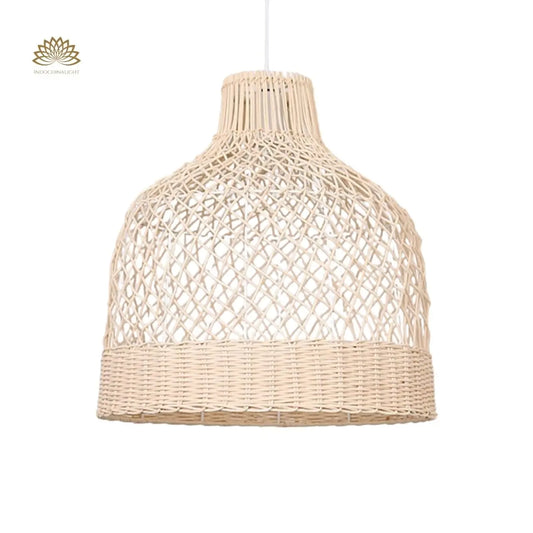
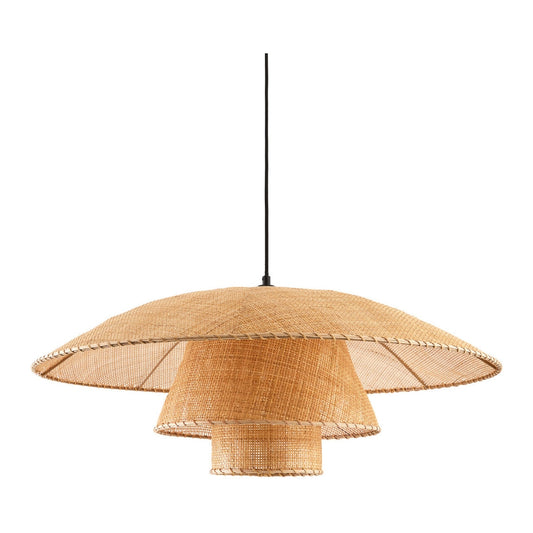
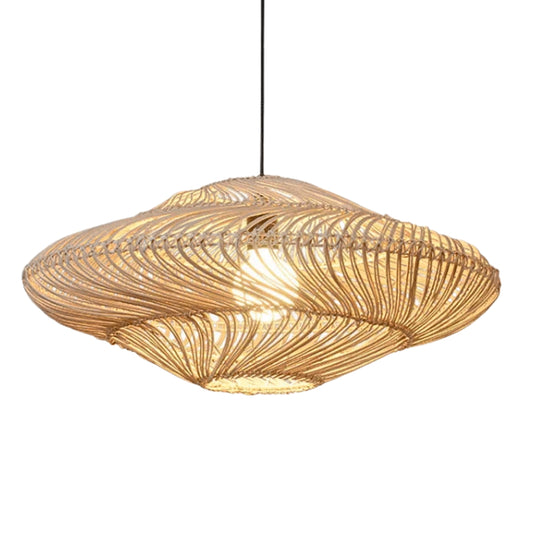
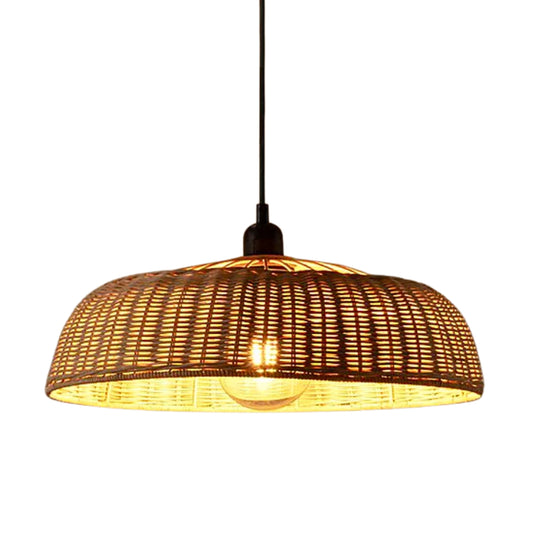
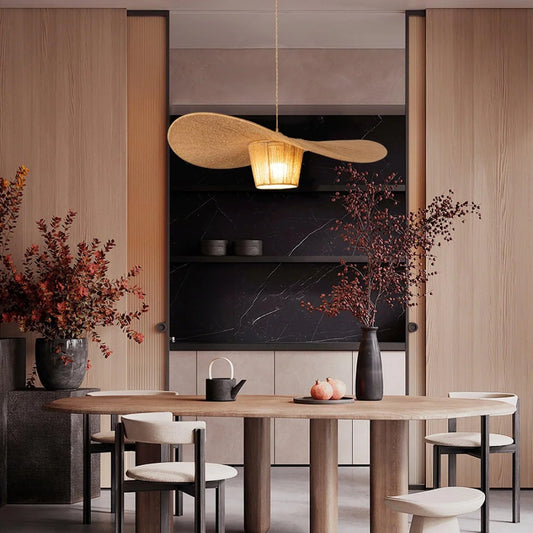
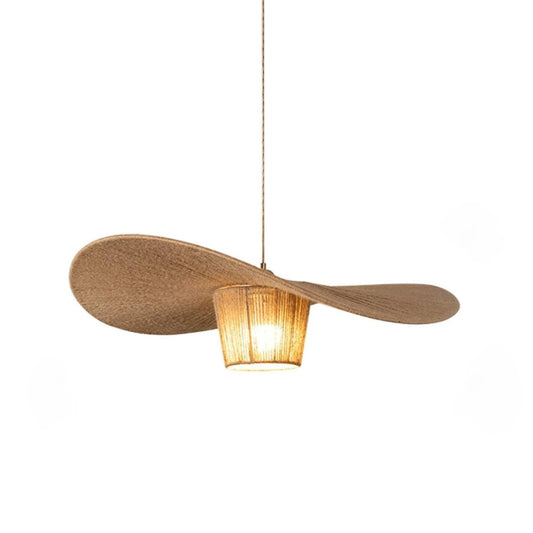
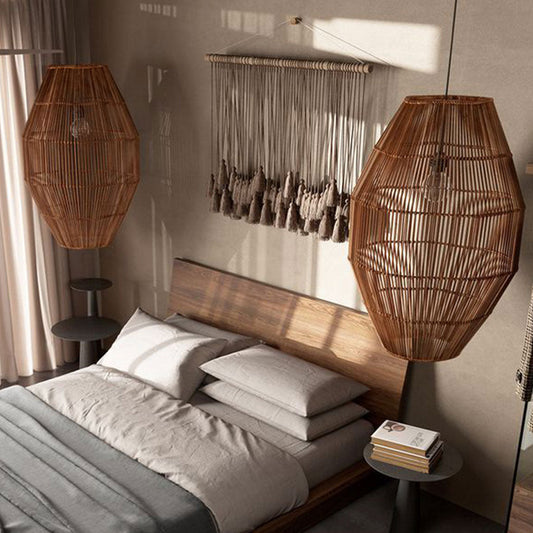
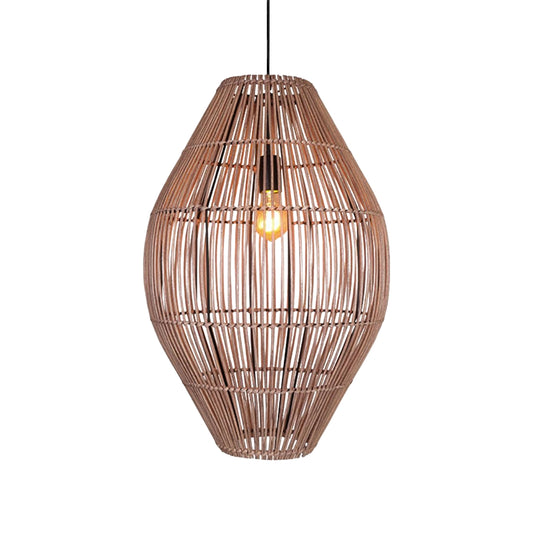
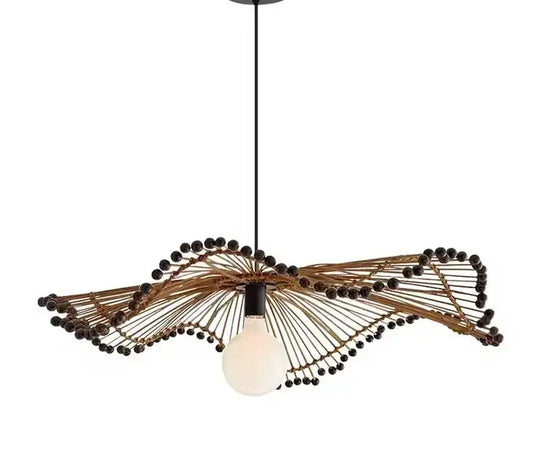
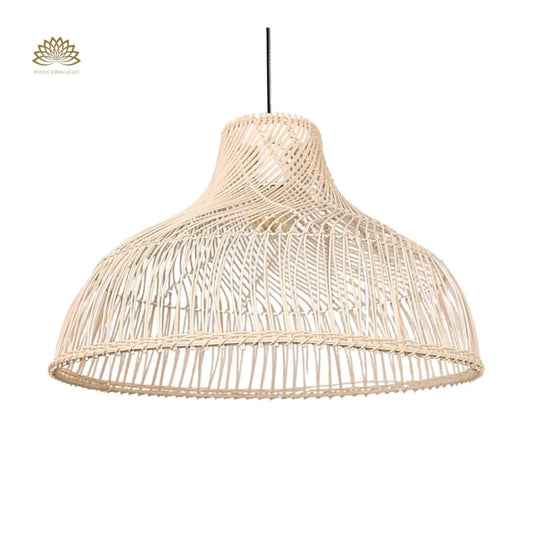
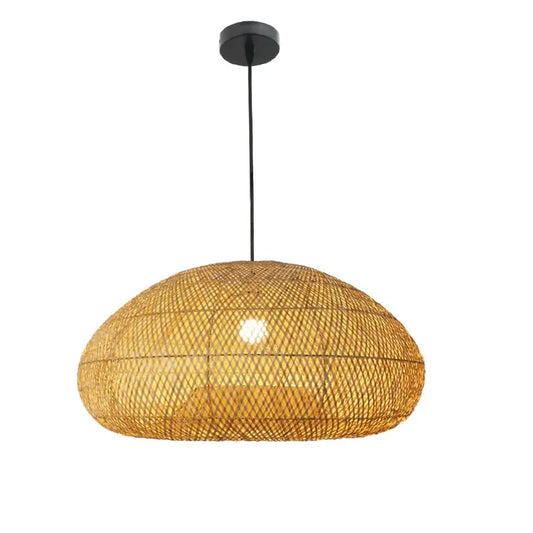
IndochinaLight offers handcrafted rattan pendant lights that blend task lighting with natural materials and traditional Vietnamese craftsmanship, bringing both focused light and organic warmth to your spaces.
IndochinaLight – IndochinaHomeDecor LLC
-
Address: 30 N Gould St Ste. N, Sheridan, WY 82801
-
Phone: (+1) 307 249 0594
-
Email: service@indochinalight.com